
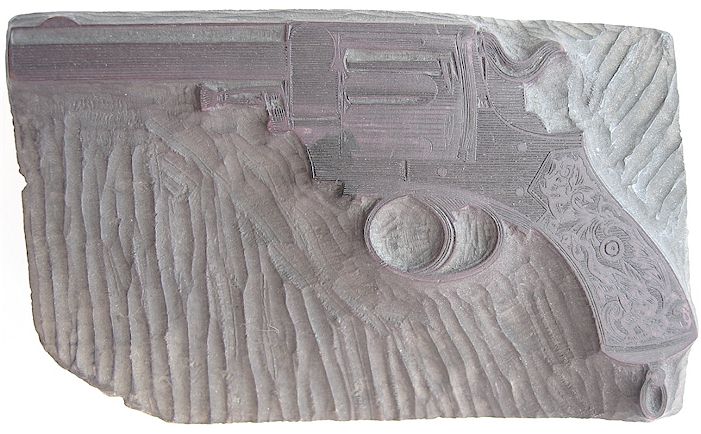
The engraving is covered with a layer of graphite.
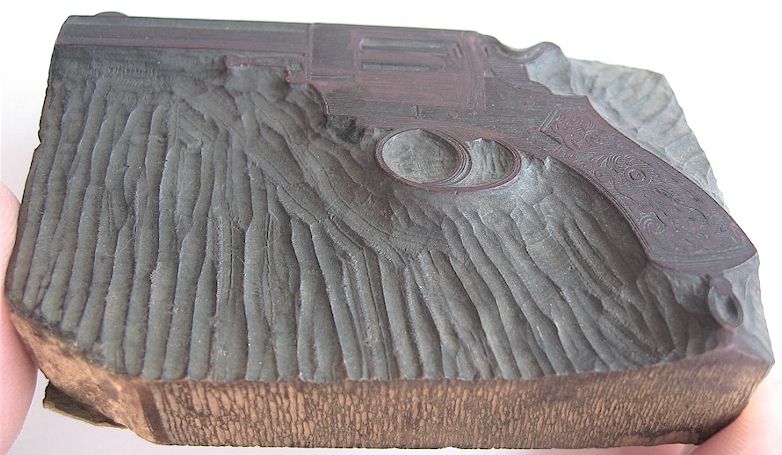
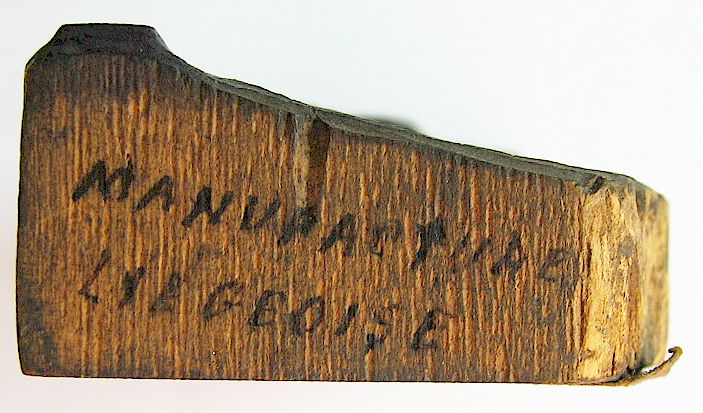
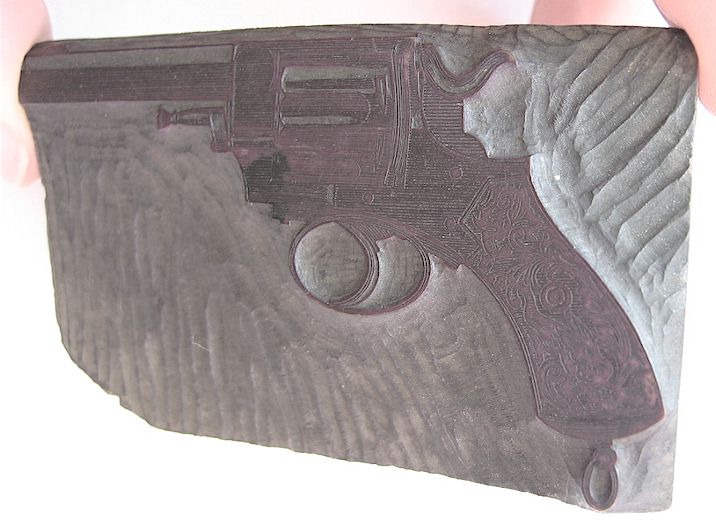
| GALVANIC PROCESSES. As of 1845 electrolytic plating, electrolysis, became an industrial process in part due to Wood's discovery of the conductivity of graphite. In fact, graphite was to be adopted to "metallize" non-conductive but light materials such as wax, wood, guttapercha, and, later on, plastics. In 1847 Gamier and Salmon applied electroplating (also called galvanoplasty) to protect engraved copper plates. The steelfacing they had invented protected the relatively fragile copper plates from deteriorating too rapidly when printed. After the revolution of 1848 the French government had to issue post-haste 100 franc bills. The printer Firmin Didot was commissioned and, thanks to electrolytic processes, was able to reproduce the plates of the old bills as well as to make copies of the plates so obtained. Thanks to these copies the printing of the bills resumed as of 1851. In 1849 Hulot had managed to make plates on which he had reproduced the same image no less than 300 times. In 1855 Michel used a galvanic process to reproduce a page of text. Electroplating (galvanoplasty) was also used to reproduce vignettes and ornaments, from wood blocks, which could be printed typographically. Such reproductions spared the delicate and expensive originals. The Englishman Cole restored some of Dürer's blocks, took moulds of them, and made metal plates from which new runs of Dürer's work were printed. A complete depositing on a plate results in a homogenous and regular plating of the obiect if the work is carried out properly. The thickness of the depositing is determined by the amount of time the current is turned on [electrotyping]. Above and beyond making plates by using electrotyping in conjunction with relief typographical composition there are various processes using complete depositing. In fact it is possible to copy an intaglio plate (sometimes quite a shallow one) and make a relief block for typographical printing or, less frequently, to make an intaglio plate from another intaglio plate or from a relief block. Usually electroplating serves to transform a weak plate into a solid one suitable for printing. |
|